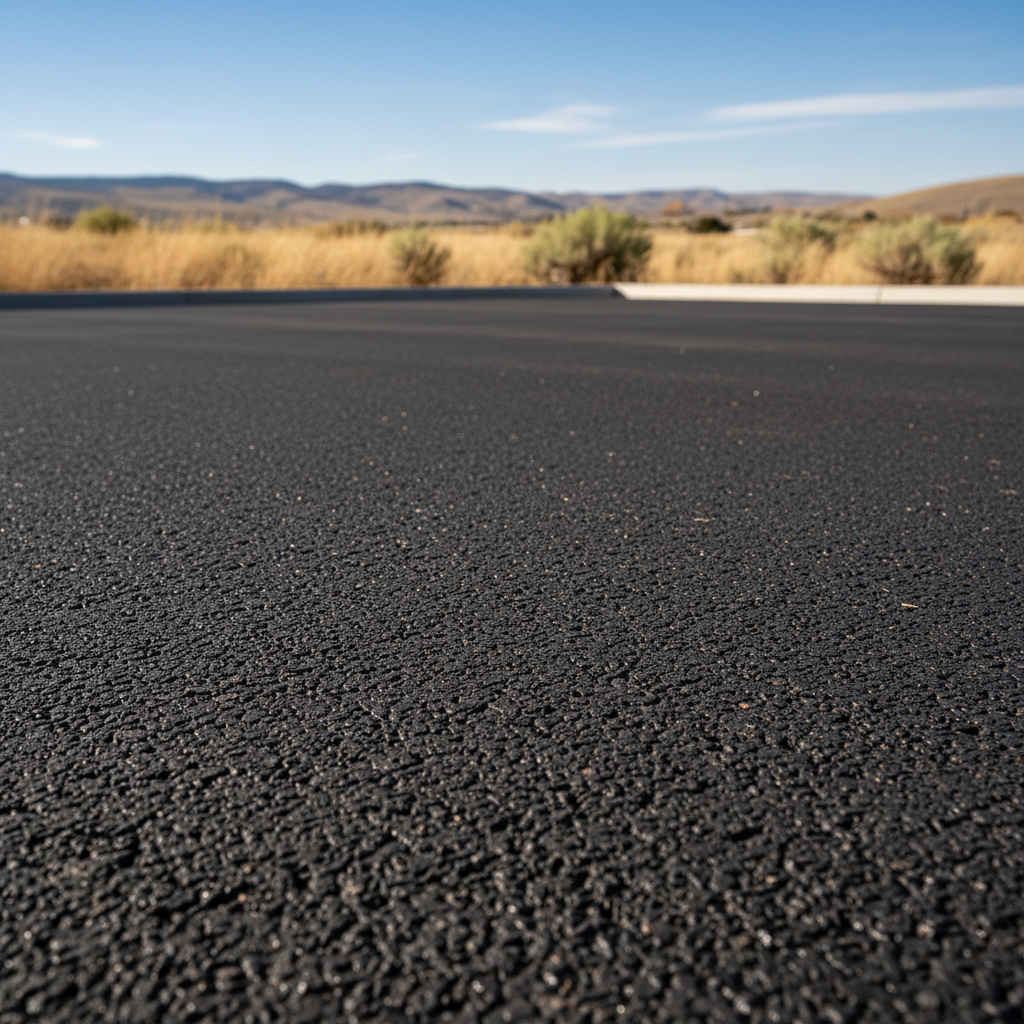
Got a big property in Greeley? Maybe you've got an RV, a couple of extra cars, or just need a solid, clean spot for guests that's more than just gravel. Paving a parking lot, even a small one for your home, is a bigger job than most folks realize. It's not just about dumping some asphalt; there's a real process to it if you want it to last.
Before You Even Think About Paving
First things first, you gotta figure out what you're actually paving. Is it a small pad for one car, or a larger area for a few vehicles? The size and intended use will dictate a lot of your choices. You'll also need to check with the City of Greeley's planning department. Seriously, don't skip this. There might be zoning regulations, setback requirements, or even stormwater management rules you need to follow, especially if you're in an area like the older parts of Cranford or near the Poudre River where drainage is a big deal. You don't want to lay down a beautiful new parking area only to find out you've gotta rip it up because of a permit issue.
Next, think about your budget. Asphalt paving isn't cheap, but it's an investment. Get a few quotes from local companies. Don't just go for the cheapest bid; ask what's included. Are they doing proper excavation? What kind of base material are they using? How thick will the asphalt be? These details matter a lot for longevity.
During the Paving Project: What to Expect
This is where most homeowners will want to call in the pros, and for good reason. Paving a parking lot isn't a DIY weekend warrior job. You're talking about heavy equipment, specialized materials, and a lot of know-how.
- Excavation and Grading: The ground underneath needs to be prepped right. We're talking about digging out the existing soil, especially if it's that tricky expansive clay we often see around here. Then, we need to grade it properly so water drains away from your house, not towards it. This is critical.
- Base Layer: This is the backbone of your parking lot. A good, compacted aggregate base (like crushed concrete or gravel) is essential. It's usually 6-12 inches thick, depending on the expected load. If this isn't done right, your asphalt will crack and fail prematurely. You can't see it once the asphalt is down, but you'll sure feel it when potholes start forming.
- Asphalt Application: This is the final layer. Hot asphalt mix is laid down and compacted with heavy rollers. The thickness here is important too – usually 2-4 inches for residential parking. Trying to do this yourself means renting expensive equipment, dealing with hot, sticky material, and getting it perfectly level and compacted before it cools. It's a job for experienced crews, like us at Primetime Paving Co.
What can you realistically do yourself? Well, you could clear the area of debris beforehand. You could mark out the boundaries. But for the actual heavy lifting and paving, you're going to want a professional team. They've got the equipment, the training, and the insurance to do it right and safely.
After the Paving: Keeping it Looking Good
Once your new parking lot is down, the work isn't totally over. You've got to protect your investment. Here's what you need to do:
- Curing Time: Stay off it for a few days, usually 24-72 hours, depending on the weather and mix. Heavy vehicles might need even longer. It needs to harden up.
- Sealcoating: This is like sunscreen for your asphalt. It protects against UV rays, water penetration, and chemicals like oil and gas. You should typically sealcoat new asphalt about 6-12 months after it's laid, and then every 2-3 years after that. It makes a huge difference in extending the life of your parking lot.
- Crack Sealing: Even with the best paving, cracks can appear over time, especially with our freeze-thaw cycles here in Northern Colorado. Don't let small cracks become big problems. Get them filled promptly to prevent water from getting underneath and eroding your base layer.
- Cleaning: Keep it clean. Sweep away dirt and debris. Clean up oil spills quickly. This prevents deterioration and keeps it looking sharp.
A well-maintained asphalt parking lot can last 20-30 years, maybe even more. Ignore it, and you'll be looking at repairs or replacement much sooner. It's all about that upfront quality and consistent care. If you're looking at a new parking area for your Greeley home, give us a call. We'd be happy to walk you through the options and make sure you get a durable, good-looking surface that lasts.