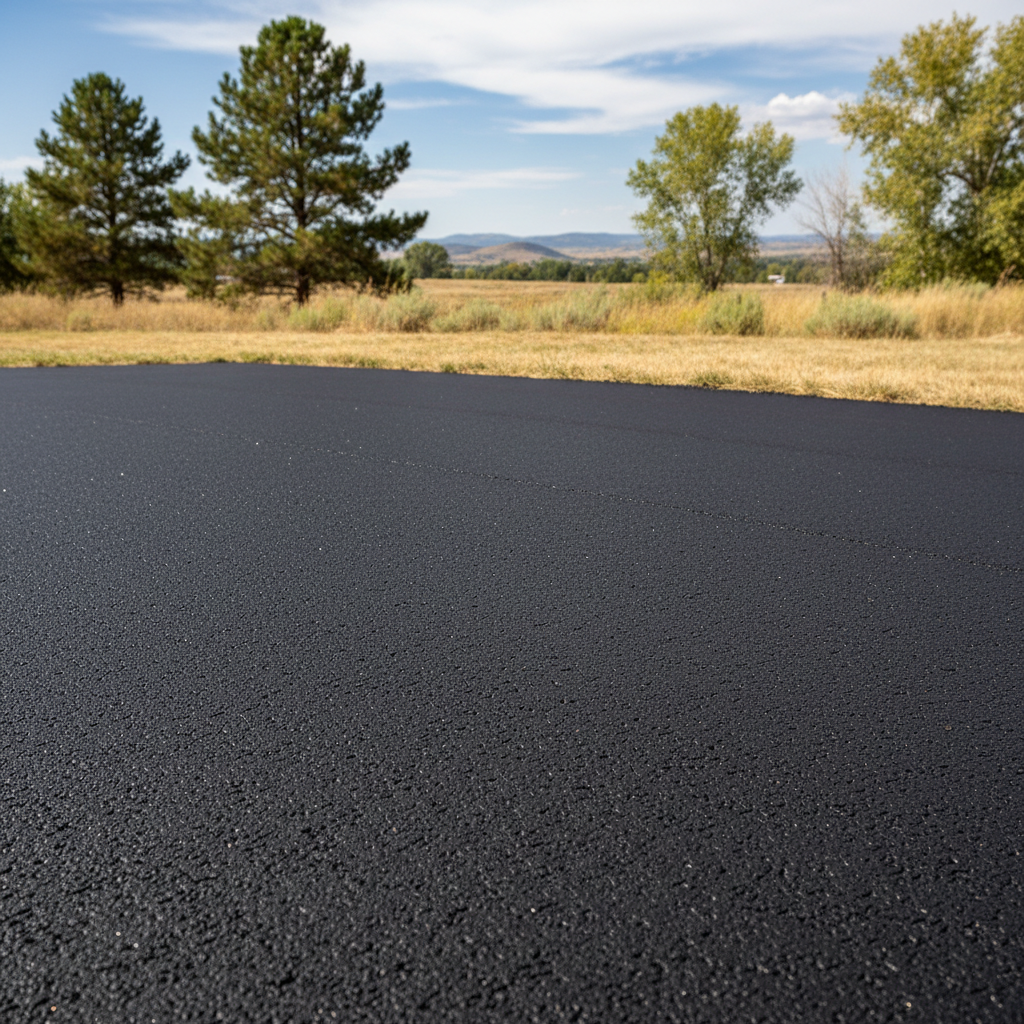
Running a paving crew out here means Primetime Paving Co gets hit with the same handful of questions all the time. Homeowners want to know what they are getting into, how long things will last, and why their pavement is acting up. Residential asphalt in Greeley requires a clear understanding of our local climate.
Why does my asphalt crack so fast after a hard winter?
If you live anywhere around Weld County, you already know our weather swings wildly from freezing snowstorms to blazing sunshine in a matter of days. That constant freeze-thaw cycle is brutal on blacktop. Water gets into tiny surface pores, freezes, expands, and breaks the material apart from the inside out. If your sub-base was not compacted correctly or if drainage slopes toward your house instead of away from it, those cracks turn into full-blown potholes much faster.
How long should a new residential driveway actually last?
You can generally expect a well-installed driveway to hold up for 15 to 20 years or more. That timeline relies entirely on two things: a solid aggregate base and regular maintenance. If someone cuts corners on the excavation or spreads the asphalt too thin to save money, you will see failure in five years. Primetime Paving Co makes sure the foundation is graded and packed down tight before a single pound of hot mix goes on the ground in Greeley, CO.
When is the right time of year to get paving work done?
We need warm weather and stable conditions to get the asphalt hot enough to roll out and compact properly. Late spring through early fall is prime paving season in northern Colorado. Trying to lay asphalt when the ground is frozen or during unexpected early snows is a recipe for a crumbling mess. If you call Primetime Paving Co in August, we can get you on the schedule while the weather cooperates.
Do I really need to sealcoat every few years?
Yes, sealcoating is your primary defense against intense ultraviolet rays and chemical spills like motor oil. Our intense Colorado sun bakes the natural oils right out of asphalt, leaving it dry, brittle, and gray. Putting down a fresh sealcoat every two to three years locks those oils back in and stops water from slipping down into the sub-base. Just make sure you wait a few months if the pavement is brand new so the oils can naturally release first.
How long do I have to stay off a freshly paved surface?
Keep vehicles off your new driveway for at least 48 to 72 hours. Foot traffic is usually fine after a day, but car tires exert a massive amount of weight and friction, especially when turning wheels on a hot afternoon. Rushing back on too soon will leave permanent ruts and depressions in the fresh mat. Give it a few days to cure out fully so it gains the strength it needs.
Can I just patch a big pothole myself with a bag from the hardware store?
Those cold-patch bags are fine for a temporary fix, but they will not solve the underlying problem. If the sub-base beneath that hole has washed out or failed, dumping cold mix into it is just throwing money away. A real repair means cutting out the damaged section, fixing the compromised base material underneath, and hot-pouring fresh asphalt so it binds correctly with the surrounding pavement.