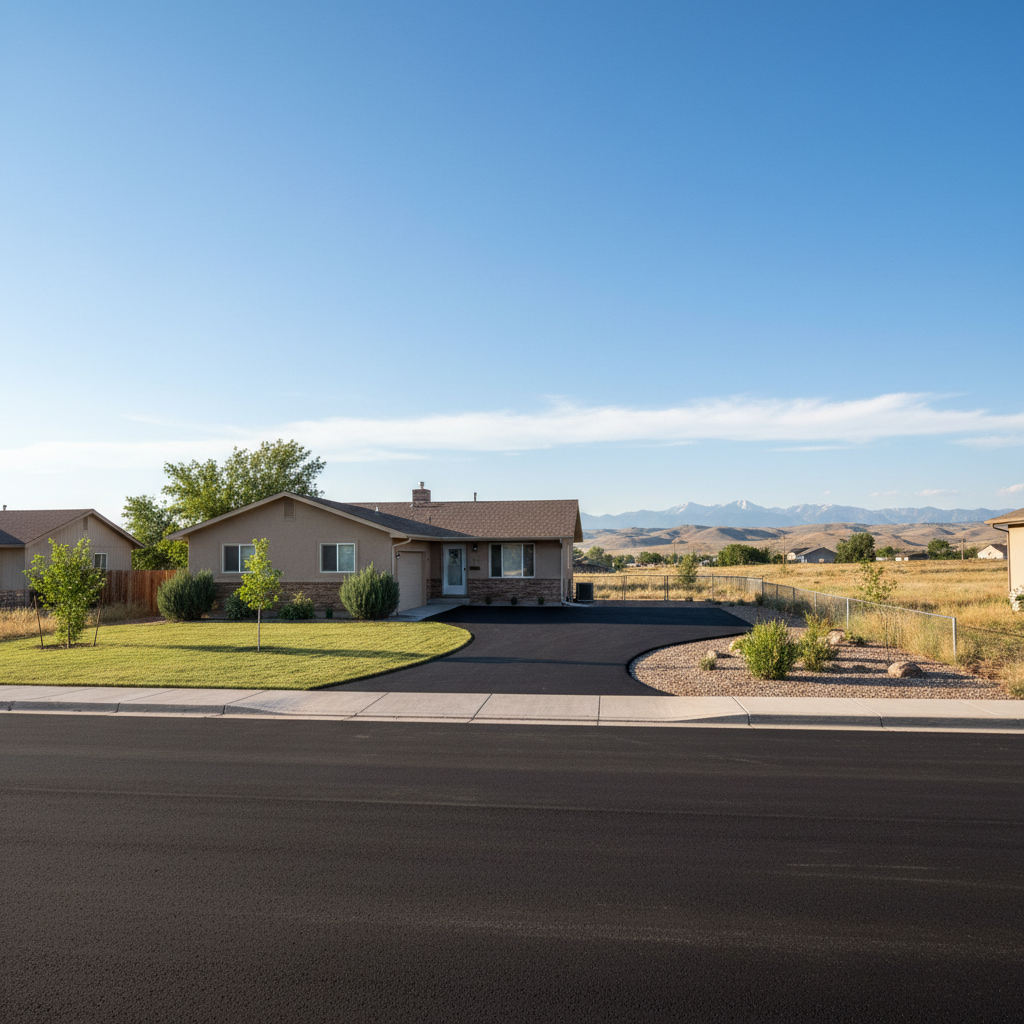
So, you're ready to tackle that asphalt paving project. Maybe your old driveway's seen better days, or you're finally putting in that extra parking pad you've always wanted. Whatever it is, getting a new asphalt surface isn't just about calling a guy and hoping for the best. There's a bit of planning involved if you want it done right and without headaches. I've been doing this for years here in Greeley, and I've seen it all. Let's walk through what you need to know.
Setting Your Project Timeline
First off, timing is everything with asphalt. You can't just pave whenever you feel like it. Here in Greeley, our weather dictates a lot. We need consistent temperatures, typically above 50 degrees Fahrenheit, for the asphalt to cure properly. That usually means spring, summer, and early fall are your best bets. Trying to pave in late November or December? You're asking for trouble, and a good contractor won't even try it.
From your first call to the finished product, you should plan for a few weeks, maybe even a couple of months, depending on the contractor's schedule and the project's complexity. Don't expect us to show up tomorrow. We're usually booked out a bit, especially during peak season. Get your quotes in early, ideally in late winter or early spring, so you can get on the schedule for summer.
What to Expect During the Paving Process
Alright, you've picked your contractor, signed the papers, and we're on the schedule. What happens next? It's not just a truck showing up and dumping asphalt. There are a few key stages:
- Site Preparation: This is huge. We'll remove any old asphalt or concrete, clear out debris, and make sure the area is properly graded. Good drainage is critical, especially with our occasional heavy spring rains that can turn parts of Greeley into a swamp if the grading isn't right. We'll be looking for a slight slope away from your house or other structures.
- Base Installation: This is the backbone of your paving project. We'll lay down a layer of aggregate — usually crushed rock — and compact it thoroughly. This base is what supports your asphalt, so it needs to be solid. If the base isn't right, your asphalt won't last.
- Binder and Surface Layers: Once the base is ready, we'll apply a binder layer, which is a coarser asphalt mix. Then comes the surface layer, which is a finer, smoother mix. We'll roll and compact each layer to get that smooth, durable finish.
- Curing Time: After we're done, you can't just drive on it immediately. Asphalt needs time to cure. We'll give you specific instructions, but generally, you'll need to stay off it for a few days, sometimes longer for heavy vehicles.
It's going to be a bit messy, and there will be noise. We'll have heavy equipment, and there will be dust. We do our best to keep things tidy, but it's a construction site for a bit. Just be prepared for that.
How to Prepare Your Property
Before Primetime Paving Co. or any other crew shows up, there are a few things you can do to make the process smoother:
- Clear the Area: Move anything that's in the way – cars, boats, planters, kids' toys, even that old basketball hoop. We need clear access to the entire paving area.
- Mark Utilities: If you have any underground sprinkler lines, invisible dog fences, or other buried utilities that aren't marked by 811 (Call Before You Dig), point them out to us. We don't want to accidentally cut your irrigation system.
- Inform Neighbors: Give your neighbors a heads-up. There will be noise and equipment, and sometimes we might need a little extra space on the street for our trucks. A little courtesy goes a long way.
- Plan for Access: For the days we're working and during the curing period, you won't be able to use your driveway. Plan where you'll park your vehicles and how you'll get in and out of your house.
Questions to Ask Before Signing a Contract
Don't just go with the cheapest bid. Ask questions. A good contractor won't mind explaining things. Here's what I'd ask:
- What's included in the quote? Make sure it covers everything: excavation, base material, asphalt layers, compaction, and cleanup. Are there any hidden fees?
- What kind of base material do you use, and how thick will it be? This is critical for longevity. You want a good, compacted aggregate base.
- How thick will the asphalt layers be? Ask for specific measurements for both the binder and surface layers.
- What's your process for drainage and grading? Especially important if you've had water issues around your property.
- Are you licensed and insured? Always, always ask for proof of both. You don't want to be liable if someone gets hurt or something goes wrong.
- Can you provide references? Talk to other homeowners they've worked for. See their work if you can.
- What's the warranty on the work? A reputable company will stand behind their paving.
- What's the estimated timeline from start to finish? Get a clear idea of when they can start and how long the actual work will take.
Choosing the right contractor and knowing what to expect will make your paving project a much smoother experience. Do your homework, ask the tough questions, and you'll end up with a great asphalt surface that lasts for years.