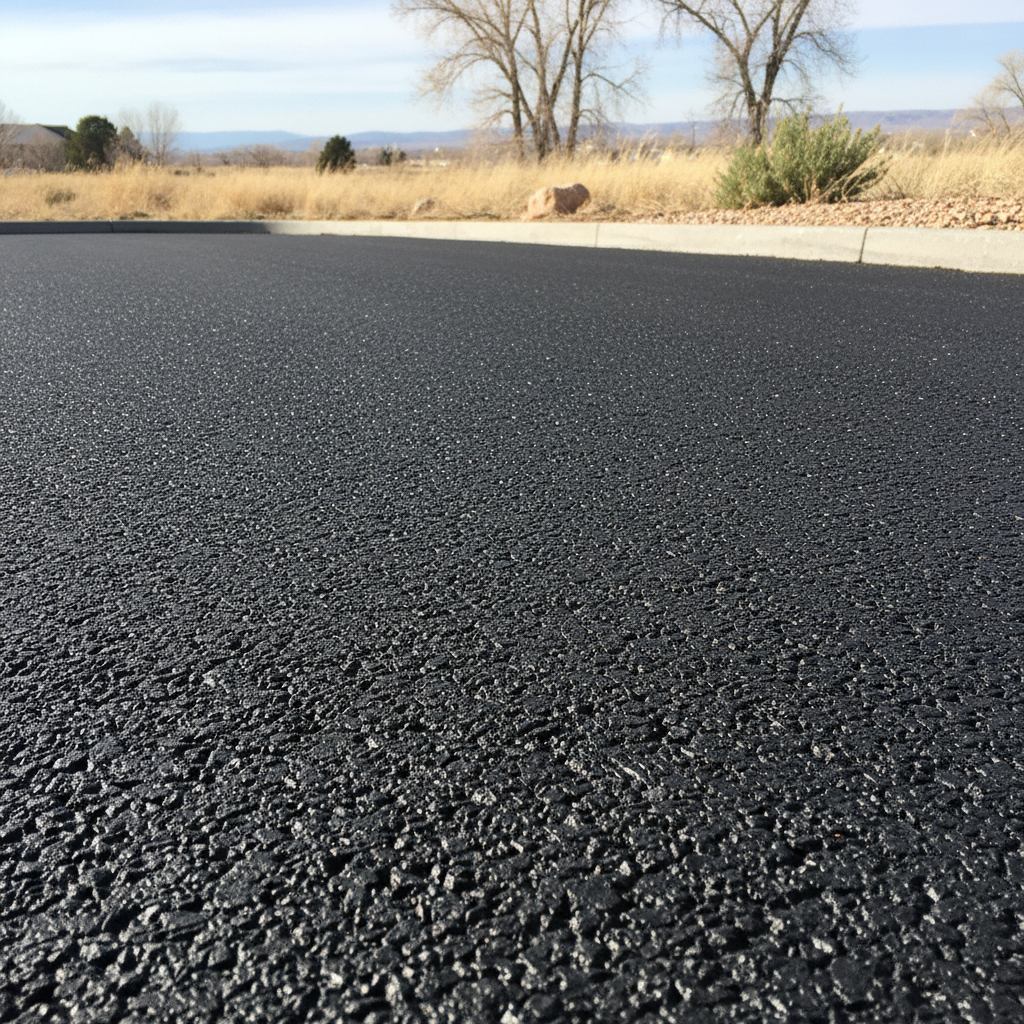
So, you're looking at your driveway, huh? Maybe it's seen better days, or perhaps you're planning to put in a brand new one. It's a pretty big project, and I bet you're wondering what you can tackle yourself to save a few bucks and what absolutely needs a pro. I totally get it. As someone who's been doing this for years right here in Greeley, I've seen folks try all sorts of things. Some work out, some really, really don't. Let's break down driveway paving into three stages — before, during, and after — and figure out where you fit in.
Before You Even Think About Paving
This is actually where you can do a ton of the legwork. Planning is huge, and it costs you nothing but your time. First off, really think about what you want. Are you building a whole new driveway from scratch, or just replacing an old, cracked-up one? What's the size, what shape will it be, and how much traffic is it going to see? A short, straight driveway for a single car is a world away from a long, winding one that gets heavy trucks.
You'll need to think about drainage, too. Water, my friend, is the sworn enemy of any pavement. Where's all that water going to go when it rains or when the snow melts? You definitely don't want it pooling on your driveway or, even worse, running straight towards your home's foundation. A good slope is absolutely critical. Most people don't realize how much science goes into just getting the water to run off properly. You can eyeball it, sure, but a professional will use levels and make sure it's pitched correctly, usually around a 1-2% grade. If you're in a low-lying area, especially with our clay soils around here, proper grading becomes even more important to avoid standing water issues.
As for permits, for a simple repair or just replacing an existing driveway on your property, you might not need one from the City of Greeley. But if you're expanding it, changing the access point, or doing anything that touches the public right-of-way (like the apron where it meets the street), you absolutely need to check with the city's planning department. Seriously, don't skip this step; fines are no fun at all.
Getting quotes is another big 'before' item you can handle. Don't just get one, okay? Talk to a few local companies. Ask them what's included, what's extra. A good contractor, like us at Primetime Paving Co, will come out, look at your site, and give you a detailed breakdown. We'll explain the process, the materials, and the timeline. This isn't just about price; it's about understanding what you're actually paying for.
During the Paving Project: When to Step Back
Alright, so you've done your planning, gotten your quotes, and maybe even picked a contractor. Now what? This is where the DIY really drops off for most homeowners, especially with asphalt. Paving isn't like painting a wall; it involves heavy machinery, super hot materials, and specialized skills.
Excavation and Base Prep: This is probably the most critical step, and it's almost always a pro's job. You need to dig out the old material, level the ground, and lay down a solid base of gravel. This base needs to be compacted properly, in layers, to prevent settling and cracking later on. We're talking about heavy rollers and graders here. You can rent some equipment, sure, but getting the right compaction and grade without experience is incredibly tough. If the base isn't right, your new driveway won't last, plain and simple.
Laying the Asphalt: This is definitely not a DIY job. Asphalt comes out of the truck hot, usually around 300 degrees Fahrenheit. It needs to be spread quickly and evenly by an asphalt paver machine, then compacted immediately with heavy rollers. This isn't something you can do with a shovel and a rented vibratory plate. It sets fast, and if you don't get it right the first time, you're looking at uneven surfaces, poor compaction, and a driveway that'll fall apart in no time. Plus, handling that hot material safely requires training and specialized gear.
So, during the actual paving, your role is mostly supervisory. Be available to answer questions, make sure access is clear, and observe the work. A good contractor will keep you in the loop, but don't try to jump in with a rake unless they specifically ask you to help with something minor.
After the Paving: Your Role in Maintenance
The paving's done, it looks great, now what? This is where you, the homeowner, really come back into play. Proper aftercare can significantly extend the life of your driveway.
- Curing Time: Don't drive on it right away. Your contractor will tell you how long to wait, usually a few days. The asphalt needs to cure and harden. Driving on it too soon can create ruts and tire marks that'll be there forever.
- Avoid Heavy Loads: For the first few weeks, try to avoid parking heavy vehicles or equipment on your new driveway. The asphalt is still settling and hardening.
- Sealcoating: This is a big one. About 6-12 months after installation, you'll want to sealcoat your driveway. This protects it from UV rays, water, and chemicals. You can absolutely do this yourself if you're up for it. It's kind of like painting a big floor. You'll need to clean the surface, fill any small cracks, and then apply the sealer with a squeegee or brush. It's labor-intensive, but totally doable for a homeowner. Just make sure you pick a good quality sealer and follow the instructions carefully.
- Crack Filling: Keep an eye out for cracks. Even with the best paving, cracks can appear over time due to weather cycles – especially with our freeze-thaw cycles here in Northern Colorado. Small cracks can be filled with a pourable asphalt crack filler, which you can buy at any hardware store. Catch them early before they turn into bigger problems.
- Cleaning: Keep your driveway clean. Sweep off dirt and debris regularly. Oil and gas spills should be cleaned up immediately, as they can degrade the asphalt.
Ultimately, a new driveway is an investment. You can save money by doing your homework, getting multiple quotes, and taking on the maintenance yourself. But for the actual heavy lifting and specialized work of laying down the asphalt, trust me, you want a professional. It's the difference between a driveway that lasts for decades and one that's a headache in a few years.