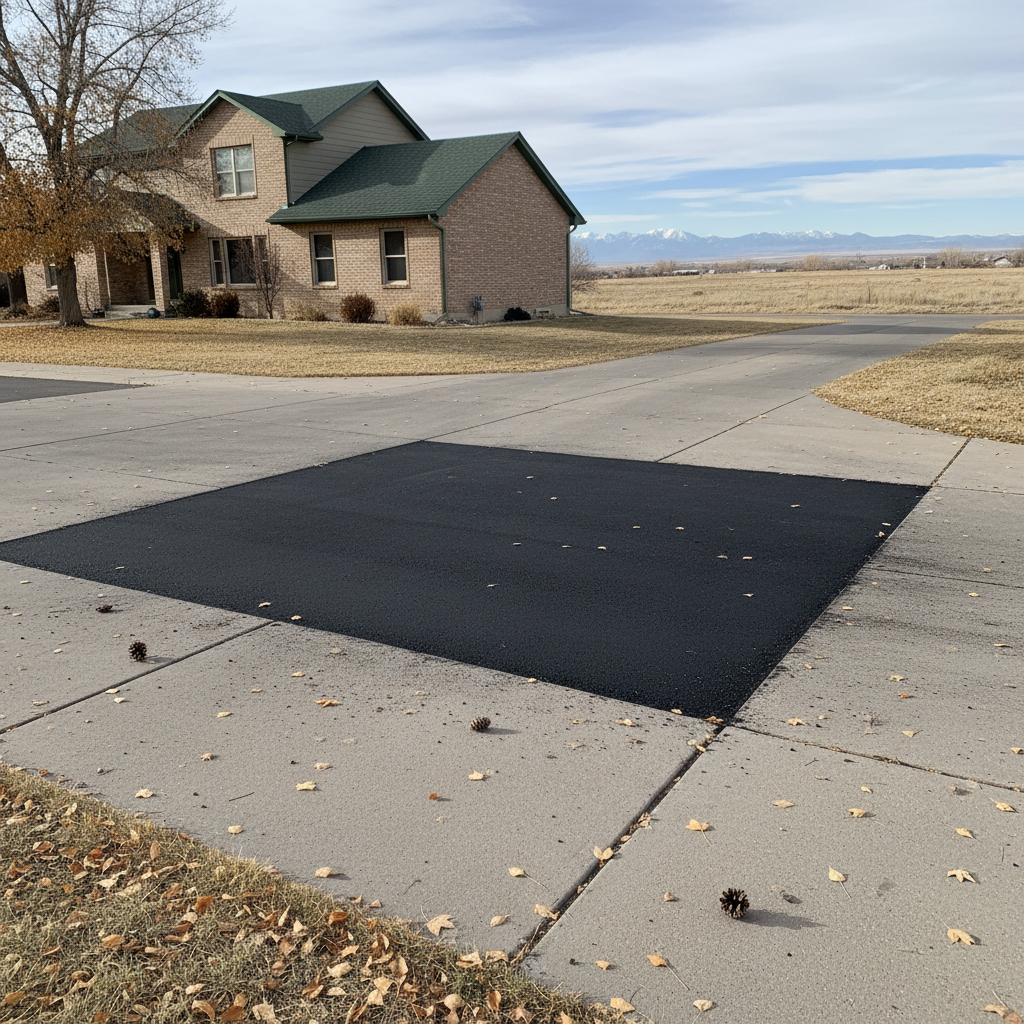
You've got a pothole or a crack that's getting bigger, and you're thinking, “When can I actually get this fixed?” It's a common question, especially here in Greeley where the weather can be a real roller coaster. Patching asphalt isn't something you want to rush into at the wrong time, or you'll just be doing it again sooner than you'd like.
When's the Best Time for Asphalt Patching?
Honestly, the sweet spot for asphalt patching in Greeley is usually late spring through early fall. Think May through September. Why then? It boils down to temperature and moisture. Asphalt needs warmth to properly cure and bond, and it doesn't like a lot of moisture during the process.
- Spring (May-June): This is prime time. The ground has thawed, temperatures are consistently above 50°F (which is crucial for the materials we use), and we're generally past the heavy snowmelt. It's a great time to tackle any damage that popped up over winter.
- Summer (July-August): Still good, but you've got to watch out for those afternoon thunderstorms we get. We can work around them, but a sudden downpour can delay things or impact the fresh patch.
- Early Fall (September-October): Often another excellent window. The days are still warm enough, and the nights aren't dipping too low yet. You want to get those patches done before the ground starts freezing and thawing again, which makes existing damage worse.
Trying to patch when it's too cold, or if there's a lot of moisture in the base, just won't give you a lasting repair. The material won't compact right, it won't bond well, and you'll end up with a weak spot that'll fail again pretty quickly. We've seen it happen when folks try to DIY it in November.
Weather Conditions That Affect the Work
It's not just the season; it's the specific weather on the day of the job. Here's what we look for:
- Temperature: As I mentioned, we really need the air and ground temperature to be above 50°F. Colder than that, and the asphalt mix cools too fast, making it hard to compact properly. This is especially true for hot mix asphalt.
- Dry Conditions: We need the area to be dry. If it's been raining, or if there's standing water in the pothole, we can't just patch over it. We'll need to wait for it to dry out completely. Water trapped underneath can lead to future failures.
- No Extreme Heat: While warmth is good, extreme heat (like those 100°F days we sometimes get) can also be challenging. It makes the asphalt very soft and harder to work with and compact precisely, though it's less of a problem than cold.
- Wind: High winds aren't ideal, as they can cool the hot mix too quickly and blow debris into the fresh patch.
When you call us at Primetime Paving Co, we're always checking the forecast to make sure we're scheduling your patching job for the best possible conditions. We don't want to do a job twice, and neither do you.
Protecting Your Investment Year-Round
Getting your asphalt patched is an investment, and you want it to last. Here's how you can help protect it:
- Don't Ignore Small Issues: A small crack or pothole might seem minor, but water gets in there, freezes, expands, and then you've got a much bigger problem. Fix 'em when they're small. It's cheaper in the long run.
- Keep it Clean: Sweep off debris, especially in the fall. Leaves and dirt can trap moisture against the asphalt, which isn't good.
- Manage Drainage: Make sure water isn't pooling on your driveway, especially near patched areas. If you've got a low spot in your driveway in, say, the Cranford or Bittersweet neighborhoods, that's a prime spot for water to sit and cause issues. Good drainage is key.
- Sealcoating: This is huge. A good sealcoat every 2-3 years protects your asphalt from UV rays, water penetration, and chemicals like oil and gas. It's like sunscreen and a raincoat for your driveway. It'll extend the life of your patches and your entire driveway significantly.
- Avoid Heavy Loads: Try not to park really heavy vehicles (like RVs or commercial trucks) on your patched areas, especially when the patch is new or during very hot weather when the asphalt is softer.
Taking a little bit of care goes a long way. If you've got questions about a specific patch or need an assessment, just give us a call. We're here to help keep your Greeley asphalt looking good and lasting for years.