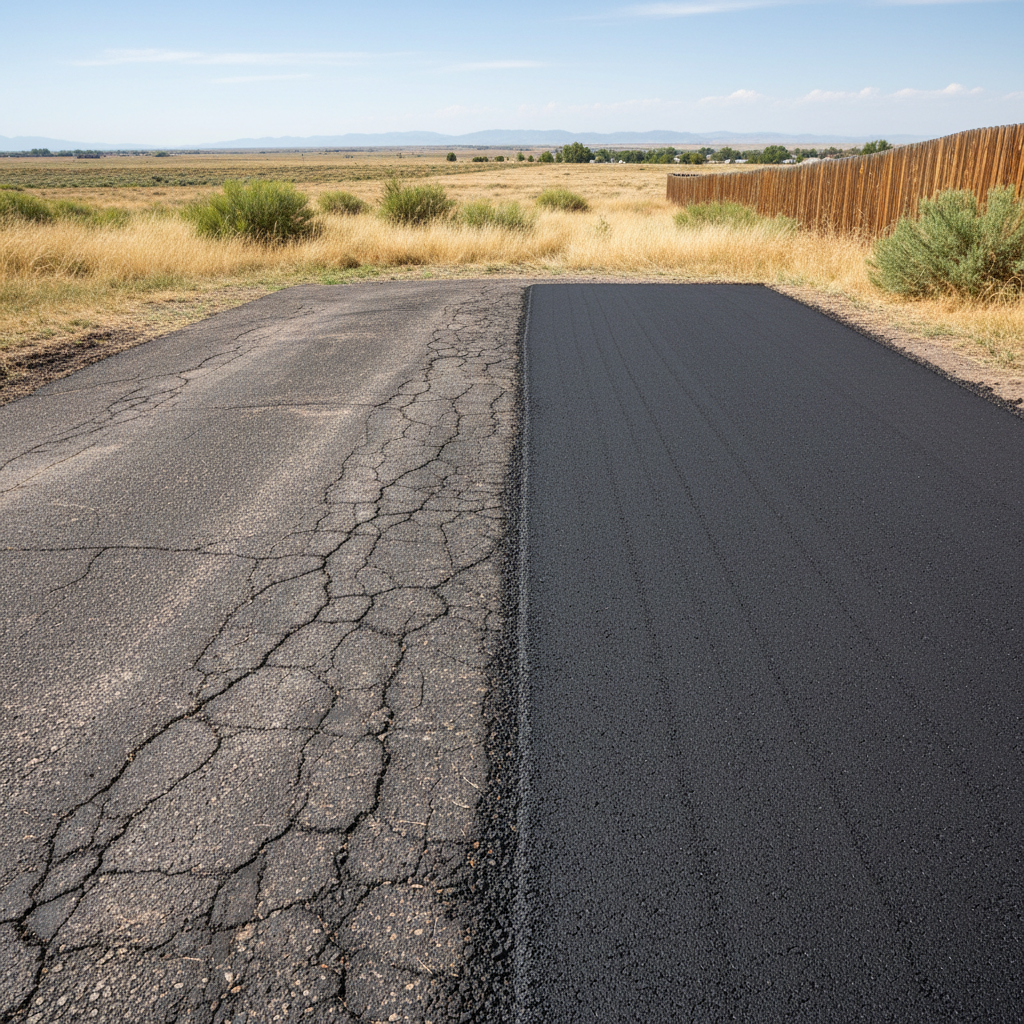
You're looking at getting your driveway or private road fixed up, and someone's probably mentioned asphalt milling. It's a great way to recycle existing pavement and get a fresh start without ripping everything out. But here's where it can get a little confusing: are we talking about just shaving off the top, or digging down deep? There are two main ways to mill asphalt, and knowing the difference can save you a headache and some cash down the road.
What's the Deal with Asphalt Milling?
First off, let's clarify what milling even is. Essentially, it's like a giant planer for your asphalt. A specialized machine grinds off the top layer of your existing pavement, leaving a rough, clean surface. This material, called RAP (Recycled Asphalt Pavement), can then be reused, which is good for your budget and the environment. It's a smart way to address issues like cracking, rutting, or just general wear and tear without a full tear-out and replacement.
Option 1: Top-Layer Milling (Surface Milling)
This is probably what most folks picture when they hear 'milling.' With top-layer milling, we're only removing the very top layer of asphalt – usually anywhere from 1 to 3 inches. We're not touching the base layer underneath. Think of it as giving your driveway a fresh haircut.
When it Makes Sense:
- Your asphalt has surface cracks, minor rutting, or oxidation, but the underlying base is still solid.
- You want to improve drainage or change the grade slightly without a major overhaul.
- You're looking for a more cost-effective solution than a full reconstruction.
Pros:
- Cost: It's generally less expensive than full-depth milling because there's less material to remove and less work involved.
- Speed: The process is quicker, meaning less disruption for you.
- Less Invasive: Since we're not disturbing the base, there's less risk of unforeseen issues with the subgrade.
- Appearance: You get a fresh, smooth surface that looks brand new.
Cons:
- Durability: If your base layer has problems, this approach won't fix them. It's a surface-level solution. Those underlying issues will eventually show through again.
- Limited Scope: Can't address significant structural failures or extensive base damage.
Option 2: Full-Depth Milling (Reclamation)
Now, full-depth milling is a whole different beast. Here, we're not just shaving the top; we're grinding up the entire asphalt layer and often incorporating a portion of the underlying aggregate base. We'll typically go down 6 inches or more, creating a new, blended base material right there on site. This material is then compacted and often stabilized with cement or other agents before a new asphalt layer is put down.
When it Makes Sense:
- Your asphalt has severe alligator cracking, deep potholes, or significant rutting that indicates a failing base.
- You've got drainage issues that require a complete re-grading of the sub-base.
- You're looking for a long-term, structural repair rather than a cosmetic fix.
- You've got a property in an area like West Greeley, where the expansive clay soils can really mess with a pavement's base over time.
Pros:
- Durability: This is the big one. You're essentially building a new, stronger base, which means a much longer-lasting pavement.
- Structural Integrity: It addresses the root cause of many pavement failures.
- Material Recycling: All that old asphalt and some of the base gets recycled into a new, strong foundation.
- Cost-Effective Long-Term: While more expensive upfront, it can save you money in the long run by preventing recurring issues.
Cons:
- Cost: Definitely more expensive than top-layer milling due to the depth of work, equipment, and potential additives.
- Time: The process takes longer, and the site will be disrupted for a greater period.
- More Invasive: It's a bigger construction project, potentially affecting landscaping or utilities if not planned carefully.
My Recommendation for Greeley Homeowners
Alright, so which one should you go with? For most homeowners in Greeley, especially if you're just seeing surface cracks and your driveway isn't buckling like a rollercoaster, top-layer milling is often the best bang for your buck. It's a great way to refresh your pavement, extend its life, and get that smooth, new look without breaking the bank.
However, if you've got serious structural issues – we're talking big potholes, widespread deep cracking, or areas that just don't drain right no matter what you do – then you really need to consider full-depth milling. It's a bigger investment, but it's the only way to truly fix a failed base. Trying to just put a new layer on top of a bad base is like putting a band-aid on a broken leg; it just won't hold up, especially with our freeze-thaw cycles here in Colorado.
The key is getting an honest assessment. When Primetime Paving Co comes out, we'll take a good look at your pavement, not just the surface. We'll check for signs of base failure, drainage issues, and give you a straightforward recommendation based on what we see. We want you to have a driveway that lasts, not one that needs fixing again in a couple of years.